The Engine Bay Is the Dining Room: Why the Volunteer Firehouse Breakfast Still Feeds a Town
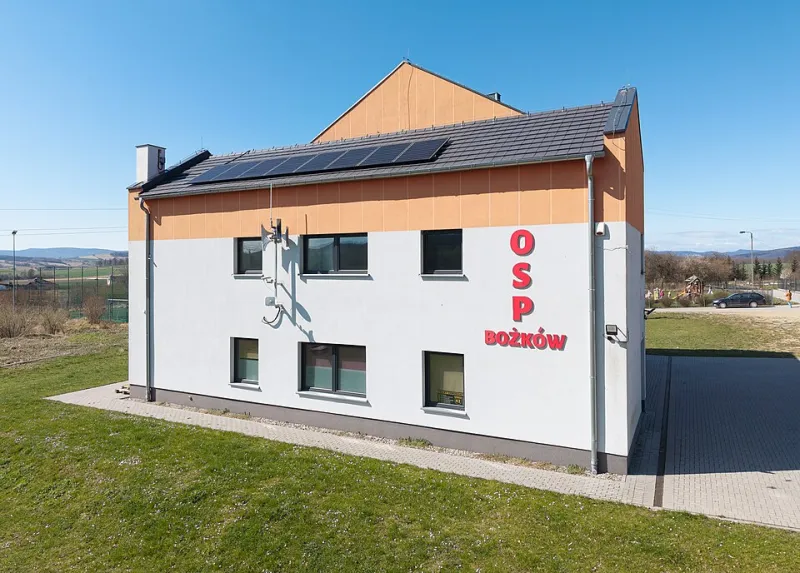
Photo: Jacek Halicki, CC BY-SA 4.0, via Wikimedia Commons
The first thing you notice is not the syrup. It is the floor.
A firehouse breakfast happens on concrete that has held trucks, hose water, and the occasional puddle of something nobody wants to identify. By 7:30 a.m., that same floor is dotted with folding chairs, paper plates, and kids in pajama pants who have been promised pancakes if they sit through one more cup of coffee with Grandma. The engine bay smells like batter, diesel, and institutional coffee. It is not a restaurant. It just acts like one once a month.
Across the country, volunteer fire departments still open their doors for pancake breakfasts, sausage suppers, and biscuit-and-gravy mornings. The food is usually simple. The service is usually cheerful. The line usually moves slower than anyone expects. And the whole thing usually raises less money than a single corporate sponsorship check. That was never really the point.
Pennsylvania: The Borough Hall With a Truck in It
In a volunteer company tucked into Pennsylvania’s Laurel Highlands, the monthly breakfast starts before dawn. Retired members arrive first to start the coffee. Active members arrive second to move the trucks. Teenagers on the junior corps arrive third to set up the raffle table, which is really a folding table with a cash box and a row of donated gift cards, hunting gear, and a basket of odds and ends from local businesses.
The department has been doing this for decades, but the rhythm has not changed much. The same families sit in the same corners. The same man—everyone calls him by his last name—stands near the kitchen door and tells people where to put their coats. The same retired chief works the grill and pretends he is not watching the door for former members who have moved away.
The breakfast is technically a fundraiser. It pays for equipment, training, and the kind of mundane expenses that never show up in a hero story: printer toner, cleaning supplies, insurance. But it also functions as the borough’s living room. If you want to know who is running for school board, who just had a baby, or whose roof is being replaced by a cousin’s crew, you come for pancakes and leave with the whole week’s news.
Kansas: The Raffle Table Is the Newspaper
On the Kansas prairie outside Hutchinson, the firehouse breakfast is a little more spread out. Trucks park outside. The bay becomes a dining room with long tables borrowed from the church. The sausage is local. The gravy is thick enough to stand a spoon in. The raffle table is the center of gravity.
People buy tickets not because they expect to win the smoker or the Yeti cooler or the gift certificate to the co-op. They buy tickets because the raffle table is where the conversation happens. You stand there, tear a ticket, drop half in the bucket, and catch up with the person next to you. The raffle is a social contract with a prize attached.
Cash only is not a policy so much as a fact of life. The department has a card reader now, but nobody trusts it. The cash box is a metal lockbox with a sticky note that says 'start with $200.' The line is cash. The raffle is cash. The T-shirt table is cash. If you show up with a debit card and a hopeful expression, someone will point you toward the ATM at the gas station and say, 'We’ll save you a plate.'
What gets saved, though, is not always a plate. In the corner near the kitchen, there is a seat that stays empty until a specific widow arrives. Her husband was a member for forty years. She comes late, stays for one cup of coffee, and leaves before the raffle. Nobody makes a thing of it. The seat is saved because it is hers. That is the unwritten rule: the corner seat is not for the first person who gets there. It is for the person the room has decided to hold space for.
Oregon: The Quiet Grief Support With Syrup
In Oregon’s Coast Range, the firehouse breakfast has a different weather problem. It rains. People track in mud. The bay doors stay half open because the room gets too hot from the griddle. The pancakes come out slightly irregular, which is somehow comforting. Nobody expects uniformity from a volunteer.
This department started its breakfast as a recruitment tool. It still works that way, but it has become something else, too. After a bad call—a house fire, a highway accident, a medical run that ended the way everyone feared—the breakfast is where people show up without saying why. They stand in line. They hold a paper plate. They let someone else pour the coffee. The talk stays light. The room does the rest.
That is the part that does not fit on a fundraising flyer. A firehouse breakfast is not therapy. It is not a town hall with minutes and a gavel. It is a bunch of people in a concrete room, eating food that costs almost nothing, giving money to a department that needs it, and quietly checking on each other. The grief support is not announced. It is just built into the seating chart.
The Unwritten Rules
The rules are consistent enough to be a regional dialect. Bring cash. Buy a raffle ticket even if you do not want the prize. Do not ask who made the sausage gravy unless you are prepared to hear a fifteen-minute story. If you see an empty seat at a crowded table, ask before you sit. And if someone waves you over to the corner, go.
The breakfast is not trying to be a restaurant. It is trying to be a fire department. That means it is organized, a little chaotic, and deeply local. The pancakes are not the point. The point is that the bay doors are open, the coffee is hot, and there is a seat saved for someone who needs it.
America has plenty of places to eat breakfast. What it does not have plenty of is places where breakfast is a form of public infrastructure. The volunteer firehouse is still one of them. You just have to know to bring cash.