Harmonia H. Carter Culture, profiles, and picks worth your time.

Harmonia H. Carter

Culture, profiles, and picks worth your time.

Latest Articles

The Engine Bay Is the Dining Room: Why the Volunteer Firehouse Breakfast Still Feeds a Town
Community

The Engine Bay Is the Dining Room: Why the Volunteer Firehouse Breakfast Still Feeds a Town

Once a month, volunteer fire departments trade hoses for hot plates and turn their engine bays into the most honest restaurant in town. The pancake breakfast is a fundraiser, a town hall, and sometimes a quiet place to grieve—all for the price of a cash donation and a raffle ticket.

The Room Off the Room: Why Historic Hotel Lobbies Are Main Street’s Social Hub
Culture

The Room Off the Room: Why Historic Hotel Lobbies Are Main Street’s Social Hub

In small towns across America, independently owned historic hotels are turning their lobbies into something closer to a living room than a waiting area—hosting vinyl nights, chess tables, local art, and regulars who never booked a room. The appeal isn’t luxury. It’s belonging, with a front desk.

The Door Is the Exhibit: America’s Tiniest Museums Are Its Most Personal Archives
Culture

The Door Is the Exhibit: America’s Tiniest Museums Are Its Most Personal Archives

A one-room museum doesn’t ask you to budget a day. It asks you to lean in. From a Georgia lunchbox shrine to a Connecticut monster closet, these tiny institutions are the most intimate cultural archives we have—and in 2026, they need us to show up.

Trust, Tumble-Dried: The Paperback Shelves Keeping Late-Night Laundromats Reading
Community

Trust, Tumble-Dried: The Paperback Shelves Keeping Late-Night Laundromats Reading

The take-one-leave-one bookcases tucked beside dryers and soap dispensers have become some of the most honest reading rooms in America. No due dates, no fines, no algorithm — just paperbacks, boredom, and a surprisingly sturdy honor system.

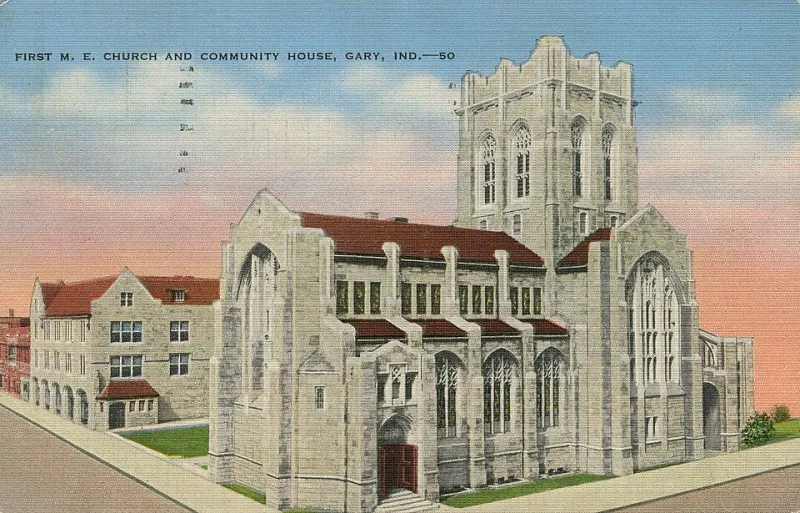
The Theology of the Marquee: Why Roadside Church Signs Still Stop Traffic
Culture

The Theology of the Marquee: Why Roadside Church Signs Still Stop Traffic

Before the algorithm, there was the letter board. Roadside church signs are easy to mock, easy to love, and harder to ignore than any feed. A look at the pastors, volunteers, and sign painters who turn three lines of plastic letters into Main Street's most honest public writing.

The Booth Is the Archive: How Diner Photo Walls Keep Main Street in Focus
Culture

The Booth Is the Archive: How Diner Photo Walls Keep Main Street in Focus

Walk into the right diner and you’ll find a wall of Polaroids, booth strips, and regulars’ portraits that no one planned to build. These accidental town archives are part memory board, part social contract—and they’re more fragile than they look.

The Price Tag Is a Memory: Why We Can’t Stop Walking Through Other People’s Houses
Community

The Price Tag Is a Memory: Why We Can’t Stop Walking Through Other People’s Houses

Estate sales have become a Saturday-morning ritual in small-town America—part museum, part group therapy, part last analog marketplace. A look at the auctioneers, regulars, and families who turn a house into a public square, and what we learn about ourselves in the driveway.

The Mic Is Local: Why Small-Town Radio Drama Sounds Like Home Again
Media

The Mic Is Local: Why Small-Town Radio Drama Sounds Like Home Again

Community theaters and public-radio volunteers are turning local fiction into serialized audio drama, using podcasts and livestreams to make neighborly storytelling feel must-hear again. Here is why the format works, how these productions get made, and where to find the best small-town serials in 2026.

The Commercial Break That Remembers Your Town
Media

The Commercial Break That Remembers Your Town

Before streaming algorithms, local TV ads were the soundtrack of a city—car dealers, grocery chains, furniture stores, and all. A volunteer crew of retired engineers and collectors is digitizing those thirty-second spots before the tapes crumble. What they’re finding is less nostalgia than a record of how Americans actually lived.

The Weekend Without Wi-Fi: Inside the Adult Camp Boom Rewriting How Grown-Ups Make Friends
Culture

The Weekend Without Wi-Fi: Inside the Adult Camp Boom Rewriting How Grown-Ups Make Friends

A growing crop of adult summer camps is swapping hotel conference rooms for bunk beds, lanyards for friendship bracelets, and LinkedIn small talk for campfire silence. In 2026, the appeal isn’t nostalgia—it’s a rare chance to be bad at something in public and still be liked.

Aisle Be There: The Corner Stores Quietly Becoming America’s Most Accessible Art Galleries
Community

Aisle Be There: The Corner Stores Quietly Becoming America’s Most Accessible Art Galleries

In immigrant-owned bodegas and corner markets from Queens to Houston, rotating art shows and poetry nights are turning ordinary aisles into neighborhood cultural hubs. The model is scrappy, hyperlocal, and far more welcoming than the white-cube gallery.

The Two O’Clock Congregation: How Sunday Classics Are Filling Small-Town Movie Seats
Media

The Two O’Clock Congregation: How Sunday Classics Are Filling Small-Town Movie Seats

Across the country, independent theaters are turning Sunday afternoons into a standing date with old movies, cheap tickets, and neighbors. The secret isn’t nostalgia—it’s ritual, and it’s working.

Borrow the Good Stuff: Your Library Card Is America’s Most Underrated Culture Pass
Culture

Borrow the Good Stuff: Your Library Card Is America’s Most Underrated Culture Pass

Public libraries now lend museum passes, seeds, tools, instruments, sewing machines, and more. The weirdest, most useful cultural membership in America is probably already in your wallet.

Spiral-Bound and Slightly Stained: The Church Cookbooks Americans Are Collecting Like Vinyl
Media

Spiral-Bound and Slightly Stained: The Church Cookbooks Americans Are Collecting Like Vinyl

The humble committee-produced church cookbook has become a collector’s item, a local archive, and a quiet rebuke to the internet recipe. Inside the swap economy, the committees who make them, and six regional editions worth hunting down.

Stop Scrolling, Start Developing: The Small-City Darkrooms Bringing Film Back Into Focus
Culture

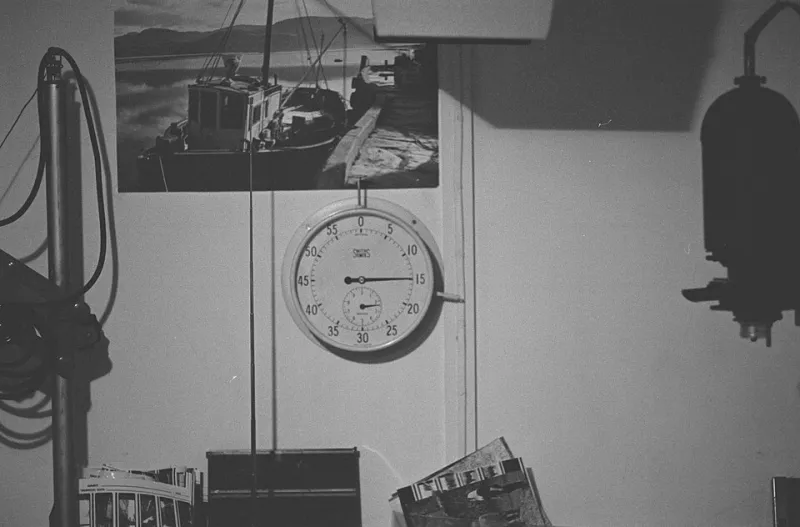
Stop Scrolling, Start Developing: The Small-City Darkrooms Bringing Film Back Into Focus

Across mid-size American cities, church basements and old storefronts are turning red again — not for worship or retail, but for enlargers. A look inside the analog photo clubs meeting the moment in 2026, plus a practical guide to finding your own.

Turn It Up by Turning It Down: America's Listening Bars Want Your Full Attention
Culture

Turn It Up by Turning It Down: America's Listening Bars Want Your Full Attention

In small rooms from Los Angeles to Asheville, strangers are paying cover charges to sit in near-silence and hear a whole album front to back. We talked to three owners about the house rules, the brutal math of a 30-seat venue, and why undivided attention has become a luxury good.

Inner Sleeve Manifesto: Read Before You Press Play
Media

Inner Sleeve Manifesto: Read Before You Press Play

Streaming shrank album art to a thumbnail and turned the credits into a scroll. A small countertrend of artists and independent labels is bringing back liner notes as zines, inserts, and long-form digital essays — and it's changing how the records sound.

Raise Your Voice, Find Your People: America’s Community Choir Moment
Culture

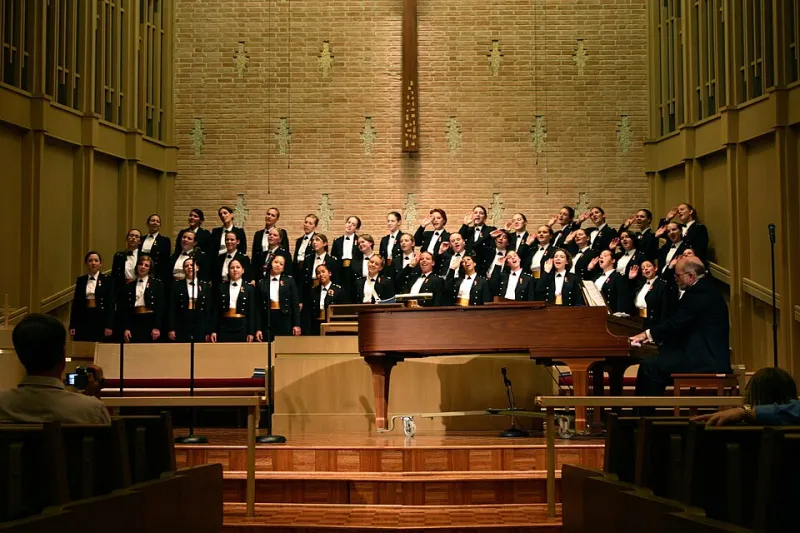
Raise Your Voice, Find Your People: America’s Community Choir Moment

Community choirs are booming across the U.S. in 2026, not because Americans suddenly became better singers, but because they need a room full of people who will sing badly with them. We profile three organizers in Detroit, Tucson, and Asheville, then offer a practical guide to finding a choir and surviving your first rehearsal.

Paper Trail: The 30-Year-Old Giving Defunct City Magazines a Second Life
Media

Paper Trail: The 30-Year-Old Giving Defunct City Magazines a Second Life

Mira Castellanos, 30, is digitizing defunct city magazines and regional lifestyle publications through a project called Second Printing. Her argument: old ads, letters, and restaurant reviews offer a sharper portrait of American taste than any algorithm — and she has five rescued archives worth browsing.