The Two O’Clock Congregation: How Sunday Classics Are Filling Small-Town Movie Seats
Photo: Internet Archive Book Images, No restrictions, via Wikimedia Commons
At 1:45 on a Sunday afternoon, the line outside the theater is not for a superhero sequel. It is for a 1950s melodrama, a 1970s crime picture, or maybe a sing-along with subtitles. The ticket is often $5, $8, maybe $10. The person taking it might be a retiree with a reusable popcorn bucket, a couple on a low-key date, or a teenager who has never seen a movie projected on actual film.
This is the Sunday matinee club, and it is quietly becoming one of the most reliable cultural rituals in small-town and mid-size America. Not because people are suddenly nostalgic for everything old, but because independent theaters have figured out something streaming cannot replicate: a specific place, a specific time, and a room full of people who all agreed to show up.
The Case for a Two O’Clock Curtain
Streaming is built on infinite choice, which sounds like freedom until you spend 45 minutes scrolling and land on a documentary about competitive cheese rolling. A Sunday classic matinee is the opposite. The choice has already been made. The lights go down at a civilized hour. You are home before dinner.
Theaters that program these screenings tend to understand attention as a finite resource. They are not asking you to commit to a trilogy or a season pass or a cinematic universe. They are asking for two hours on a Sunday, plus maybe a few dollars for popcorn. That low bar is the point. It makes the theater feel less like an event and more like a habit.
And habits build audiences. A first-run multiplex depends on opening weekends and franchise gravity. A repertory-minded theater depends on the same faces coming back. The Sunday matinee is a standing invitation, and standing invitations are how neighborhoods become communities.
Cheap Tickets Are a Feature, Not a Gimmick
A low ticket price is not just a discount. It is a signal. It says: this is not a special occasion. You do not need to rearrange your week or budget for it. You can bring a friend on a whim. You can bring a kid who might get bored. You can take a risk on a movie you know nothing about because the downside is small.
Many independent theaters make the math work through concessions, memberships, local sponsorships, and partnerships with nearby restaurants, bookstores, and museums. Some run classic series as a loss leader and count on the goodwill and foot traffic to carry the rest of the week. Others treat Sunday as a community service with a cash register.
The result is a different kind of moviegoing economics. Instead of chasing the biggest opening weekend, these theaters are chasing repetition. They want the Sunday matinee to become the thing you do when out-of-town guests visit, or when the weather is bad, or when you cannot face another brunch.
A Room With a Past
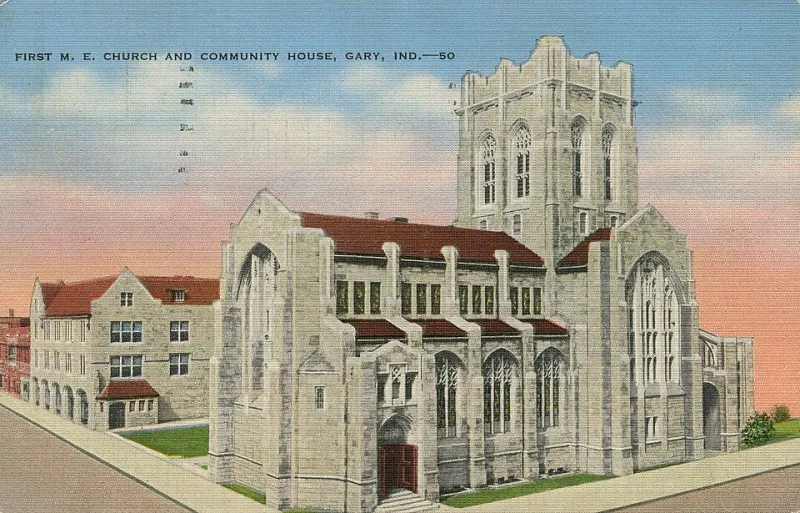
There is also the building itself. Many of these theaters are old movie palaces, Main Street singles, or shoebox arthouses with creaky seats and hand-painted signs. That wear and tear is not a bug. It is the atmosphere. You are not in a generic black box with recliners and assigned seats; you are in a room that has been showing movies for generations.
That history changes the way an audience behaves. People laugh together at jokes that were written before they were born. They applaud when a familiar face appears. They stay for the credits. The shared room turns a classic film into a conversation, even if no one says a word.
Theaters have learned to lean into that. Some pair screenings with short introductions from local critics, professors, or longtime patrons. Others offer themed snacks, post-film discussions, or a simple printed program that tells you why this movie matters. None of it is expensive. All of it makes the afternoon feel curated rather than random.
Three Stops for a 2026 Road Trip
For the Harmonia H. Carter road-trip file, a few venues are worth planning a weekend around. The Byrd Theatre in Richmond, Virginia, opened in 1928 and still feels like a civic living room; its mix of classics, repertory, and community events is the kind of thing you build a trip around. The Belcourt Theatre in Nashville has a repertory calendar that regularly gives old movies the same care as new ones. And the Stanford Theatre in Palo Alto is a temple to classic Hollywood double features, the kind of place where the organ may rise before the curtain does.
Smaller towns have their own versions. The Strand in Delaware, Ohio, and the Avon in Providence, Rhode Island, are the sort of neighborhood theaters that remind you why a movie theater is not just a delivery system for content. Check local listings before you go. The best Sunday matinees are often the ones announced on a chalkboard, not a billboard.
The Ritual Is the Product
The Sunday matinee club is not really about old movies. It is about a dependable appointment with other people. It is about paying a small amount of money to leave the house and sit in the dark with strangers who have also decided that this is how they want to spend an afternoon.
Streaming will always have more titles. It will never have a two o’clock curtain, a cheap ticket, and a room full of neighbors who all chose the same thing. That is the advantage these theaters have. They are not selling nostalgia. They are selling a ritual, and in 2026 that may be the most valuable ticket in town.