Turn It Up by Turning It Down: America's Listening Bars Want Your Full Attention
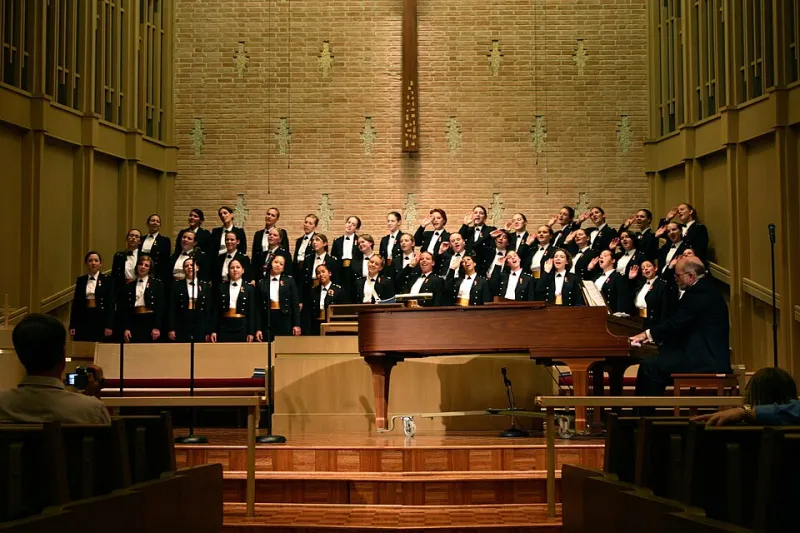
Photo: intimate listening bar interior with turntable and vinyl records, warm lighting, people seated quietly, via static.boredpanda.com
There's a moment, about four minutes into a record at Parallax, when the room gets so quiet you can hear the air conditioning change its mind. Thirty-odd people are seated. Nobody is talking. Nobody is scrolling. A turntable is doing the only talking that matters, and the crowd — a mix of gray-haired collectors and twenty-somethings in expensive knitwear — is treating the whole thing like a séance.
That's the promise of the listening bar, a format that traveled to the U.S. by way of Japan's jazz kissa and has, over the past few years, quietly multiplied from a handful of coastal rooms into a genuine national habit. No screens. No DJ theatrics. Just a good system, one full side of vinyl, and a room full of strangers agreeing to focus on the same thing at the same time.
Calling that nostalgia undersells it. Nostalgia is a mood. This is a practice.
Why a Room That Asks You to Shut Up Sells Out
The first thing to know about these places is that they are not background music with better speakers. Most run on reservations, most charge a cover, and nearly all of them will ask you to put your phone in a pouch, a locker, or at the very least a pocket facing down. Some post a two-strikes policy on talking during a side. One owner in Chicago hands out small cards that read, gently, "The artist didn't record a conversation. Please don't add one."
And people come anyway. Weeknight seatings fill. Holiday weekends sell out weeks ahead. The appeal isn't hard to decode: we've spent a decade listening to everything everywhere, at half volume, while doing two other things. A room that narrows the input to one album and one hour feels less like a throwback than a correction.
Three Rooms, Three Approaches
Los Angeles: Parallax
Theo Marchetti spent twenty years mastering records for other people before he signed a lease on a former dry cleaner in Highland Park. Parallax holds 34 seats, a restored pair of horn speakers the size of refrigerators, and a turntable he services himself every Sunday. Cover runs $20, and the schedule leans on full-album nights — one record, one side at a time, with a short spoken introduction from Marchetti about the session, the pressing, or the argument the album started.
"I'm not trying to educate anybody," he told me. "I'm trying to slow the room down enough that the record gets to be a record instead of a track."
Chicago: Second Pressing
Nadia Okafor, a former label publicist, opened her Logan Square room with 28 seats and a rule she stole from a book club: whoever picks the album has to say three sentences about why. The result is a crowd that skews younger and more eclectic than the average hi-fi haunt — Sunday mornings are coffee and hard bop, Thursday nights rotate through whatever a regular has been obsessing over, and once a month she runs "Side B Night," devoted entirely to the songs everyone skips.
"The three sentences are the whole thing," Okafor said. "Context turns listening into a conversation you're having with someone who isn't in the room."
Asheville: The Long Player
Ben Whitlock toured as a front-of-house engineer for fifteen years and wanted a room where the mix was already perfect. His 22-seat space downtown serves no food during a side, sells tickets at $12, and keeps a strict whisper-only policy that regulars describe as weirdly relaxing. Weeknight sessions often end with the room sitting through the runout groove before anyone moves.
"People think the silence is the strict part," Whitlock said. "The silence is the hospitality. It's the thing we're actually serving."
The House Rules, More or Less
- Phones away, not just silent. Pouches, lockers, or the honor system, depending on the room.
- One album, start to finish. No shuffle, no requests mid-side, no skipping the ballad.
- Reservations and covers. Typically $12–$25, sometimes credited toward a drink.
- A drink minimum instead of a dinner menu. Small plates get in the way of a quiet room.
- The host picks. You're a guest at someone's listening session, not a client with a playlist.
The Math Behind a Room That Holds Thirty People
Here's the part that keeps owners up at night: thirty seats is not a business model, it's a dare. A serious system — turntables, cartridges, amplification, speakers, and the acoustic treatment nobody sees in photos — can run anywhere from $18,000 to well past $80,000. Add rent in a walkable neighborhood, insurance on the gear, staff who understand both espresso and impedance, and a licensing and royalty setup that treats public performance seriously, and the ticket revenue barely covers the lights.
So the smart rooms stack income. Memberships ($60–$150 a month for reserved seating and first access to special sessions) smooth out the slow weeks. Record retail, private buyouts, and small-label partnerships fill the gaps. A few owners run mastering or audio-consulting work out of a back office. Nobody I spoke with described the business as lucrative. All three described it as sustainable, which in 2026 counts as a win.
A Short, Opinionated Guide
- Los Angeles — Highland Park and Frogtown have the deepest bench; look for rooms with published set times and a host who actually introduces the record.
- Chicago — Logan Square and Avondale; the themed nights are where the scene's personality lives.
- New York — Brooklyn and the Lower East Side, where covers run highest and the systems justify it.
- Portland — small rooms attached to record shops, often with no cover and a one-drink minimum.
- Austin — vinyl bars that split the difference between listening room and neighborhood hang; go early for the quiet.
- Nashville — sessions built around catalog reissues and session-player stories, which is its own kind of liner note.
- Seattle — Capitol Hill rooms with the best headphone-free acoustics I've sat in this year.
- Philadelphia — a fast-growing cluster in Fishtown and Kensington, still cheap enough to experiment.
- Asheville — the strictest etiquette, the friendliest regulars.
What the Quiet Is Actually For
Strip away the gear and the aesthetic and the very good negronis, and these rooms are running one experiment: can you get a group of Americans to pay money to be unreachable for ninety minutes? So far, yes. What sells isn't the vinyl. It's the alibi — a place where paying attention is the entire plan, and nobody expects you to answer anything.
The record ends. The needle lifts. Somebody at the bar exhales, and the room remembers how to talk again.